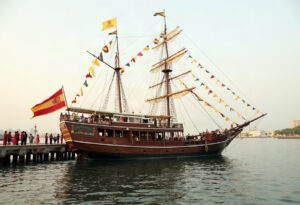
Understanding Sustainable Phinisi Cruises
Sustainable Phinisi cruises offer a unique way to explore the breathtaking beauty of Komodo National Park while ensuring minimal impact on its fragile ecosystem. These traditional wooden vessels, crafted by skilled artisans, are more than just a means of transportation; they symbolize a commitment to eco-friendly travel. In 2026, as travelers increasingly prioritize sustainability, eco-friendly Phinisi cruises are becoming an essential part of responsible tourism in Indonesia.
Why Choose a Sustainable Liveaboard?
When planning a trip to Komodo, opting for a sustainable liveaboard is not just a trend; it’s a necessity. These operators implement eco-friendly practices that protect both marine life and local communities. In 2026, the average price for a seven-night sustainable liveaboard is around $1,200 (18 million IDR) per person, which includes accommodations, meals, and guided activities such as diving and snorkeling.
- Green Practices: Many operators use solar panels and wind turbines to power their vessels.
- Waste Management: Responsible operators ensure waste is sorted and disposed of properly.
- Fuel Efficiency: Eco-friendly engines reduce the carbon footprint significantly.
In 2026, the carbon footprint of a typical Komodo sailing trip is approximately 1.5 tons per person, which is relatively low compared to other travel options.
How to Choose a Responsible Phinisi Operator
Selecting a responsible Phinisi operator requires research and due diligence. Here are some key factors to consider:
- Certifications: Look for operators certified by organizations like the Marine Stewardship Council (MSC).
- Community Engagement: Choose operators that support local communities, providing fair wages and involving them in tours.
- Transparency: Responsible operators openly share their sustainability practices and policies.
In 2026, a reputable operator should provide an itinerary that highlights both natural and cultural experiences while staying true to sustainable practices.
Komodo National Park Conservation Rules
To visit Komodo National Park responsibly, it is crucial to adhere to its conservation rules. These regulations are designed to protect the park’s delicate ecosystems and its world-famous Komodo dragons. Key rules include:
- Permits: All visitors must purchase a national park permit, costing around $10 (150,000 IDR).
- Guided Tours: Always explore the park with a licensed guide to ensure safety and compliance with park rules.
- No Feeding Wildlife: Feeding Komodo dragons and other wildlife is strictly prohibited to avoid altering their natural behavior.
Understand these regulations in advance to ensure a respectful and legal visit, promoting the ongoing conservation efforts in the park.
Protecting Marine Life While Snorkeling
Snorkeling in Komodo is a highlight for many travelers, but it’s essential to avoid damaging coral reefs and marine habitats. Here are steps to take to protect these vital ecosystems:
- Stay Afloat: Use flotation devices to keep your body away from the coral.
- Proper Gear: Wear eco-friendly sunscreen to minimize skin damage to coral and marine life; avoid any products containing oxybenzone or octinoxate.
- Respect Wildlife: Observe marine life from a distance and never touch, chase, or feed them.
In 2026, guided snorkeling tours typically cost around $50 (750,000 IDR) and include equipment rental and expert guidance on environmental best practices.
Visiting Local Villages Respectfully
Flores is home to various indigenous communities that offer rich cultural experiences. As a responsible traveler, it’s vital to engage with these communities respectfully. Here are some tips:
- Ask Permission: Before taking photographs of people or their property, always ask for their permission.
- Support Local Businesses: Purchase handmade crafts and try traditional foods to help support their economy.
- Follow Local Customs: Familiarize yourself with local traditions and practices, and act accordingly.
In 2026, community tours may cost around $30 (450,000 IDR) per person, a small price to pay for a deeper cultural understanding and connection.
Tipping Local Crew Fairly in Komodo
Tipping is an important aspect of showing appreciation for the hard work of local crews on Phinisi cruises, especially those operating sustainably. In 2026, a standard tipping guideline suggests:
- Per Day: Tip around $10 (150,000 IDR) per guest per day for the crew.
- Exceptional Service: If the crew goes above and beyond, consider tipping more generously.
- Collective Tipping: Coordinate with your group for a collective tip at the end of the trip, ensuring every crew member receives fair compensation.
Fair tipping practices not only encourage excellent service but also support the livelihoods of local guides and crew members.
Ethical Komodo Dragon Viewing Guidelines
Viewing the iconic Komodo dragons is a must-do for visitors, but it’s crucial to do so responsibly. Here’s how to ensure you experience these majestic creatures ethically:
- Stay on Designated Paths: Always stick to marked trails and follow your guide to protect both yourself and the dragons.
- Observe from a Distance: Maintain a safe distance (at least 10 meters) to respect their space.
- Be Quiet: Loud noises can stress the dragons, so keep the volume down.
In 2026, guided dragon tours within the national park cost about $15 (225,000 IDR) and are the best way to ensure a safe and informative experience while adhering to ethical guidelines.
FAQs About Sustainable Phinisi Cruises
- What are eco-friendly Phinisi cruises?
They are liveaboard experiences designed to minimize environmental impact while exploring the waters around Komodo. - How can I ensure I’m choosing a responsible operator?
Research certifications, community involvement, and sustainability practices before booking. - Are there specific rules for snorkeling in Komodo?
Yes, avoiding direct contact with coral, using eco-friendly sunscreen, and respecting marine life are essential for responsible snorkeling.
Exploring Komodo through a sustainable Phinisi cruise is a rewarding experience that not only showcases the region’s natural beauty but also supports conservation efforts and local communities. As you plan your journey, prioritize eco-friendly practices to ensure that the wonders of Komodo remain for future generations to enjoy.
Book your sustainable adventure today and make a positive impact while exploring the pristine waters of Komodo.
Practical Tips for Booking Your Eco-Friendly Phinisi Cruise
Booking a sustainable Phinisi cruise involves more than just choosing a company; it requires careful consideration of various factors to ensure your travel aligns with eco-friendly principles. Here are some practical tips for making the right choice:
- Research Operators: Look for companies with a strong commitment to sustainability. Check for certifications from reputable environmental organizations, such as the Marine Stewardship Council.
- Read Reviews: Seek feedback from previous travelers about their experiences on specific cruises, focusing on the operators’ sustainability practices.
- Inquire Directly: Don’t hesitate to ask operators about their eco-friendly initiatives, such as waste management practices or community engagement projects. A reputable company will be proud to share this information.
- Consider Group Size: Smaller groups often lead to a more intimate and less invasive experience in nature, hence reduce the overall impact on the environment.
Supporting Local Communities Through Eco-Tourism
Sustainable Phinisi cruises not only aim to protect the environment but also focus on uplifting local communities in and around Komodo National Park. By choosing eco-friendly travel options, you contribute to the local economy and help promote cultural preservation. In 2026, many operators partner with local communities to offer authentic experiences such as:
- Village Tours: Experience local traditions and lifestyles in villages like Labuan Bajo, where you can participate in cooking classes or artisan workshops.
- Local Guides: Hiring local guides enhances your understanding of the area’s ecology and culture while providing livelihoods for community members.
- Community Projects: Some cruises contribute a portion of their profits to local conservation projects, ensuring that tourism benefits both nature and the people who live in it.
Top Sustainable Activities on Your Phinisi Cruise
When onboard a Phinisi cruise, the experiences available are both thrilling and environmentally conscious. Here are some top activities you can engage in during your sustainable journey:
- Snorkeling at Pink Beach: Known for its unique pink sand, this spot is ideal for observing vibrant coral reefs and diverse marine life without disturbing the ecosystem. Remember to use reef-safe sunscreen.
- Hiking Komodo Island: Guided hikes allow you to explore the island’s unique flora and fauna, including the legendary Komodo dragon. Ensure your guide follows park guidelines to minimize ecological disruption.
- Birdwatching at Rinca Island: Rinca offers a chance to spot several endemic bird species, making it a paradise for bird lovers. Respect the distance recommended by guides to avoid stressing the animals.
The Future of Sustainable Travel in Komodo
As global awareness about climate change and environmental conservation rises, the tourism landscape in Komodo is evolving. By 2026, the trend towards sustainability in travel is expected to grow, with innovations and improvements in eco-tourism practices becoming more commonplace. Some anticipated developments include:
- Improved Regulations: The Indonesian government is working on enforcing stricter regulations concerning waste management and marine conservation, ensuring that all tour operators adhere to sustainable practices.
- Expansion of Renewable Energy: More Phinisi cruises are likely to adopt solar and wind energy, reducing reliance on fossil fuels and minimizing their carbon emissions.
- Community Engagement Programs: Expect to see more partnerships between cruise operators and local communities, fostering a stronger bond and ensuring tourism benefits are shared.