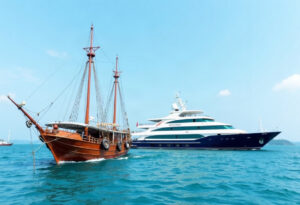
The phinisi crew life involves a blend of traditional seafaring skills and modern hospitality, ensuring guests enjoy an authentic yet comfortable maritime experience. Daily tasks range from navigation to culinary preparation, showcasing the multifaceted roles of crew members.
Understanding Phinisi Crew Life
The phinisi crew life is a unique blend of tradition and modernity, where age-old sailing techniques meet contemporary service standards. Originating from the Bugis and Makassar tribes of South Sulawesi, Indonesia, phinisi boats have a rich history dating back centuries. Today, these vessels are crafted using traditional methods, involving meticulous handwork and local materials such as ironwood. The life aboard a phinisi is not just about operating a boat but involves a wide array of responsibilities that ensure a smooth and enjoyable journey for all aboard. The crew’s expertise in both maritime and hospitality sectors is crucial to delivering an exceptional experience.
Crew Roles and Responsibilities
The crew on a phinisi boat is composed of individuals with diverse roles, each vital to the operation and guest experience. Typically, a phinisi crew can range from 10 to 20 members, depending on the size of the vessel and the number of guests. The captain, often with decades of seafaring experience, oversees navigation and safety, ensuring the vessel reaches its destination efficiently and securely. Engineers are tasked with maintaining the vessel’s mechanics, from the engine to the electrical systems, guaranteeing that all systems function smoothly throughout the journey. Deckhands manage the sails, assist with docking, and are responsible for general maintenance, ensuring the vessel remains in top condition.
- Captain: Responsible for navigation, safety, and overall management of the crew. The captain is the decision-maker, often liaising with local authorities and handling any maritime regulations.
- Engineer: Maintains the engine and ensures mechanical systems function smoothly. They perform regular checks and repairs, especially critical during longer voyages.
- Deckhand: Assists in sailing operations, docking, and maintenance. Deckhands are also involved in cleaning and preparing the vessel for guests, ensuring a pristine environment.
- Hospitality Staff: Manages guest services, meal preparations, and accommodations. This team includes chefs who plan menus featuring fresh, local ingredients, and stewards who attend to guest needs.
Daily Life at Sea
A typical day for the crew begins early, often before dawn, with the captain charting the course for the day based on weather conditions and guest itineraries. The engineer conducts a thorough check of all systems, from the engine to the navigation equipment, ensuring a smooth sail. Deckhands are responsible for preparing the sails and managing docking operations as the vessel departs for its next destination. Meanwhile, the hospitality staff sets up breakfast, offering an array of dishes that may include tropical fruits, freshly baked pastries, and local delicacies, ensuring guests start their day with a delightful meal.
Midday involves routine checks and maintenance. The crew collaborates to ensure guests can engage in activities like snorkeling or island excursions, facilitated by the deckhands who also handle equipment setup and safety briefings. Lunch is prepared and served, often featuring local cuisine that highlights the region’s rich flavours, such as nasi goreng or grilled seafood. Guests may also have the opportunity to learn about the local culture through presentations or demonstrations arranged by the crew.
Evening Routine
As the day winds down, the crew prepares for evening activities. This may include setting up for a sunset dinner on deck, where guests can enjoy the views of the surrounding sea and islands. The hospitality team ensures that the dining experience is memorable, often featuring freshly caught seafood and dishes inspired by regional recipes. Chefs might grill fish over an open flame or prepare a traditional Indonesian feast, providing a taste of the local culinary heritage.
Post-dinner, the crew performs checks to secure the vessel for the night. The captain reviews the weather forecast and plans for the next day, ensuring a safe and enjoyable journey for everyone on board. The evening may also include entertainment, such as live music or storytelling, allowing guests to unwind under the stars.
2027 Note
As of 2027, the phinisi cruise industry continues to thrive, drawing tourists seeking authentic maritime experiences. Advances in technology are integrated into traditional practices, enhancing safety and comfort without losing the charm of a classic phinisi journey. The introduction of eco-friendly engines and solar-powered systems are making these journeys more sustainable, addressing environmental concerns while maintaining the allure of the traditional sailing experience. For those interested in customising their phinisi adventure, there are now more options than ever to tailor the experience to personal preferences, from bespoke itineraries to personalised dining experiences.
FAQ
What is it like to work on a phinisi boat?
Working on a phinisi boat is a dynamic and rewarding experience. Crew members perform various roles from navigation to guest services, requiring both technical skills and hospitality expertise. The job offers a unique opportunity to explore beautiful locations while providing exceptional service. Crew members often develop a deep camaraderie, working closely together in a team-oriented environment.
How do crew members manage daily tasks?
Daily tasks are managed through a collaborative approach, with each crew member focusing on their specific responsibilities. Regular meetings and clear communication help coordinate activities, ensuring tasks are completed efficiently and guests receive top-notch service. The use of modern communication tools helps streamline operations, allowing for real-time updates and coordination.
What skills are essential for phinisi crew members?
Essential skills for phinisi crew members include navigation, mechanical knowledge, hospitality, and communication. Adaptability and teamwork are also crucial, as the crew must work closely to ensure a safe and pleasant voyage for guests. Language skills are beneficial, aiding in communication with international guests and enhancing the overall experience.